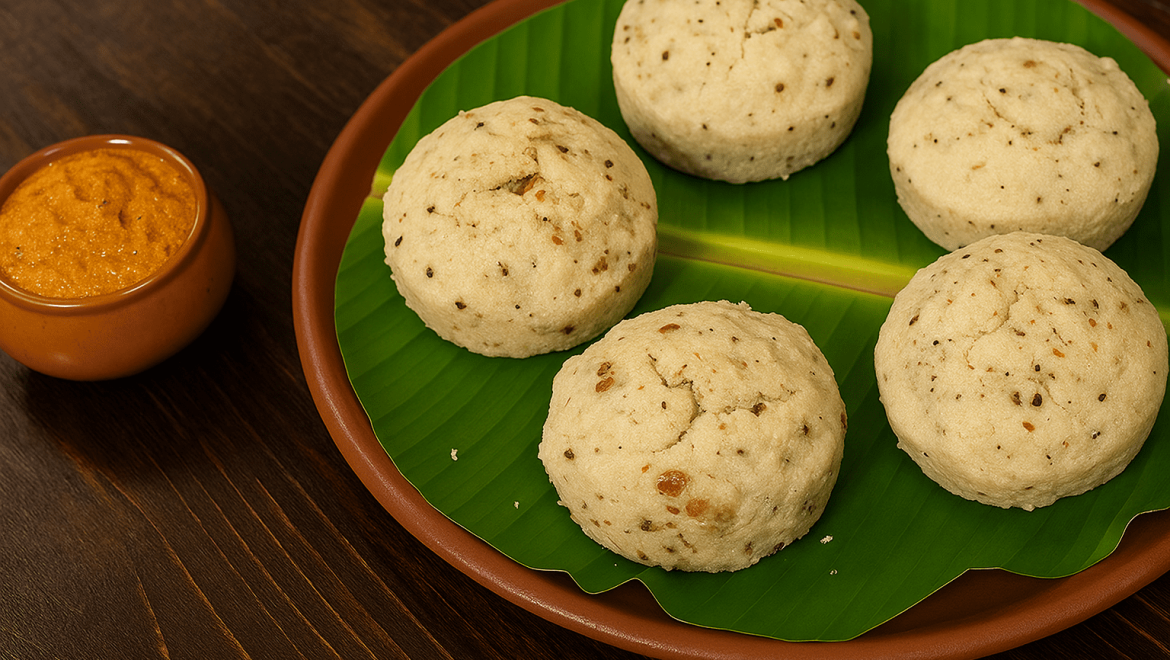
South India boasts culinary flavours, aromas and traditions by the dozens. Of all South Indian foods that have won hearts from around the world, idli takes a commendable place. The classic, fluffy white idli is a universal favorite for South Indian Breakfast Menu, except one, and that is the Kanchipuram Idli, the lesser known yet equally captivating variant which has its own history to boast of and a distinct identity. But spiced idli is not just a breakfast item – it’s a gustatory record of heritage, flavour and devotion.
A Glimpse into History
Kanchipuram Idli has a connection to Kanchipuram, which is one of India’s seven holy cities. The special idli started at the famous Varadharaja Perumal Temple, dedicated to Bhagwan Vishnu. Some believe that people used to prepare this idli and dedicate it as an offering to the deity. Kanchipuram Idli owes its unique charm to the strong spiritual bond, turning it into a symbol and heritage of the culture.
The Essence of Kanchipuram Idli: What’s It Made Of?
An essential feature of Kanchipuram Idli lies in its time-honored steaming technique. While most modern Idlis are steamed in metal molds, Kanchipuram Idlis are customarily cooked in individual cups or small bowls, their interiors lined with banana leaves. Fragrant wisps of the earthy scent carried by the banana leaf infuse the idlis, amplifying their traditional charm and flavor. Serving these idlis in the traditional banana-leaf vessel, steamed with their unique blend of spices, produces a delicacy that is at once silky soft and flavorful, as well as powerfully fragrant and uniquely textured. Numerous authentic South Indian restaurants, such as Sambar Cafe, honor this heritage: even when they must serve their dishes on plates for practical reasons, they still set banana leaves on top, thereby preserving this unique legacy.
The core ingredients include:
- Idli Rice: A parboiled rice variety, typically used for making idlis, contributes to the soft texture.
- Urad Dal (Split Black Gram): Soaked and ground, this lentil provides the essential protein and helps in achieving the characteristic fluffiness of idlis.
What elevates the Kanchipuram Idli from a regular idli are its aromatic additions:
- Black Peppercorns: Crushed or coarsely ground, they impart a pungent warmth and a subtle kick, a signature flavor of this idli.
- Cumin Seeds: These add an earthy, warm, and slightly nutty aroma that is both comforting and distinctive.
- Dry Ginger Powder (Saunth): A unique addition that contributes a gentle spice and aids in digestion. Some traditional recipes might use fresh ginger, but dry ginger powder is a common inclusion.
- Curry Leaves: Fresh curry leaves, tempered and added to the batter, infuse a fresh, slightly bitter, and aromatic note.
- Ghee (Clarified Butter): Often used for tempering the spices and sometimes added to the batter, ghee enriches the flavor profile and enhances the overall aroma.
- Asafoetida (Hing): A pinch of asafoetida provides a savory depth and helps in digestion, particularly with lentil-based dishes.
- Chana Dal (Bengal Gram) and Toor Dal (Pigeon Pea): Small quantities of these lentils are sometimes added, soaked along with the rice and urad dal, contributing to a slightly coarser texture and a nutty flavor.
- Salt: Essential for seasoning and aiding the fermentation process.
Its traditional steaming method greatly contributes to the unique taste and appeal of the dish. Kanchipuram Idlis are usually cooked in bowls or cups wrapped in banana leaves, a practice modern idlis avoid. The light aroma from the banana leaf adds extra flavor and charm to idlis. By steaming with these special spices, the idli becomes soft, flavorful, and its texture is one of a kind.
How to Make Kanchipuram Idli: Steps to Follow
Crafting authentic Kanchipuram Idli at home is a rewarding experience that brings a piece of South Indian culinary heritage to your kitchen. Here’s a step-by-step guide:
Ingredients:
- 1 cup Idli Rice (parboiled rice)
- ½ cup Urad Dal (split black gram)
- ¼ cup Chana Dal (optional)
- 1 tsp Black Peppercorns (coarsely crushed)
- 1 tsp Cumin Seeds
- ½ tsp Dry Ginger Powder (saunth)
- A pinch of Asafoetida (hing)
- 1 sprig Curry Leaves (finely chopped)
- 1-2 tbsp Ghee (clarified butter)
- Salt to taste
- Banana leaves (optional, for lining molds)
Steps to Follow:
- Soaking: Wash the idli rice, urad dal, and chana dal (if using) separately until the water runs clear. Soak the rice in ample water for 4-5 hours. Soak the urad dal and chana dal together in separate water for 3-4 hours.
- Grinding: First, drain the soaked urad dal and chana dal. Grind them into a very smooth, fluffy batter using a wet grinder or a powerful blender, adding water little by little until you achieve a light, airy consistency. Transfer the batter to a large bowl.
- Grinding Rice: Drain the soaked rice. Grind it separately into a slightly coarse batter. The consistency should be rava-like (semolina-like), not completely smooth. Combine this rice batter with the dal batter in the same large bowl.
- Fermentation: Add salt to the combined batter and mix well with your hands. Hand mixing is believed to aid fermentation. Cover the bowl and let the batter ferment in a warm place for 8-12 hours, or until it doubles in volume and becomes light and airy. The fermentation process is crucial for the idlis’ texture and digestibility.
- Preparing the Tadka (Tempering): In a small pan, heat 1-2 tablespoons of ghee. Once hot, add the coarsely crushed black peppercorns and cumin seeds. Let them splutter. Add the finely chopped curry leaves and a pinch of asafoetida. Sauté for a few seconds until fragrant.
- Mixing the Batter: Once the batter is well-fermented, gently pour the prepared tadka into the batter. Mix very gently, just enough to combine the spices evenly. Do not overmix, as this can deflate the batter.
- Steaming:
- If using banana leaves, cut banana leaves into circles to fit the bottom of your idli molds or small cups. Place these leaf pieces around to line the molds.
- If you don’t have banana leaves, then grease the idli mould lightly with ghee or oil.
- Fill the molds about three quarters full, with the Kanchipuram Idli batter.
- Put the idli molds in an idli steamer. Bake in a 350 degree F oven for 10–15 minutes or until a toothpick inserted in the center comes out clean. Depending on the size of your molds the steaming time may vary slightly.
- Rest and Serve: Once steamed, turn off the heat and let the idlis rest in the steamer for 5 minutes before carefully demolding them. This helps prevent them from sticking. Serve hot.
Benefits of Kanchipuram Idli
Beyond its delightful taste, Kanchipuram Idli offers several health benefits, making it a nutritious addition to your diet:
- Easily Digestible: The fermentation process breaks down complex carbohydrates and proteins into simpler forms, making idlis incredibly easy to digest, even for those with sensitive stomachs.
- Nutrient Absorption: Fermentation also increases the bioavailability of nutrients, meaning your body can absorb more vitamins and minerals from the ingredients.
- Low in Fat: When prepared with minimal oil/ghee for tempering and steamed, idlis are inherently low in fat.
- Balanced Nutrients: Made from rice and lentils, it offers a good balance of carbohydrates and plant-based protein, providing sustained energy.
- Gluten-Free: Naturally gluten-free, it’s an excellent option for individuals with gluten sensitivities or celiac disease.
- Spices for Health: The inclusion of spices like cumin, black pepper, and ginger not only enhances flavor but also adds digestive and anti-inflammatory properties.
Alternative Side Dishes for Idli
Although coconut chutney and sambar are common with Kanchipuram Idli, its strong taste lets you enjoy it with many other side dishes too. Tomato chutney, peanut chutney, mint chutney, or any dry spice powder mixed with an oil or fat, for example, curry leaf podi, are great with parathas. A few people like to have raita just with a little fresh yogurt or some mustard seeds and curry leaves added. Authentic South Indian Restaurants often give you several chutneys to go with their delicious idlis.
Conclusion
Kanchipuram Idli is far from just another breakfast item – it is that and more, a traditional culinary journey with distinct flavors that makes it truly unique. Every bit of these idli tells the gastronomic tale of South India, from sacred journey at the Varadharaja Perumal Temple to the complex mix of spices and the waft of banana leaves. If you are a fan of South Indian cuisine or simply wishing to discover new tastes, making or finding Kanchipuram Idlis is surely an adventure that will enchant your senses and unite you with an ageless food heritage.
FAQs:
What is the side dish of Kanchipuram idli?
When Kanchipuram Idli is presented, people usually include coconut chutney and sambar to eat along with it. Also, it’s traditional in South India to have a hot, flavored filter coffee with this hearty breakfast.
What is the history of Kanchipuram idli?
The tradition of making Kanchipuram Idli began in the Varadharaja Perumal Temple of Kanchipuram, where they offered it as prasadam (sacred offering) to Bhagwan Vishnu. The region’s religious and cultural traditions are the basis for its history.
Which is the idli capital of India?
Although there are many idli famous cities in South India, Kanchipuram is often unofficially known as ‘Idli Capital’ for it’s unique and historically important Kanchipuram Idli. Many try to find South Indian restaurants near me for experiencing the best of such traditional fare.
Why idli is better than dosa?
The word “better” is based on an individual’s tastes and diet. However, people often think idli is healthier than dosa because it is cooked by steaming, making it less fatty. Both go through fermentation, helping digestion and delivering probiotics.
Why is it called mallige idli?
Kannada means ‘Mallige’ which is a flower. Within Karnataka, mallige idli has a particular place among idlis and has a very soft and delicate texture similar to the softness of a jasmine flower.
Which is the largest idli in the world?
Various attempts have been made to make the largest idli. The largest idli weighed over 1,241 kg (2,736 lbs) made in Coimbatore, India as of recent records.
In which state idli is famous?
Idli is famous and widely consumed across all the South Indian states, primarily Tamil Nadu, Karnataka, Andhra Pradesh, Telangana, and Kerala. If you’re looking for the most authentic experience, searching for “Best Idli Restaurant Near To Me” in these regions will likely yield excellent results.
Who found idli first?
Idli’s true origin is disputed. It’s possible that the first dishes came from Indonesia, later arriving in India. Other evidence shows that ancient India also had recipes for fermented rice and lentil products. It was around 800-1200 CE that idli likely took its current shape in South India.
Is idli healthy?
Yes, idli is generally considered very healthy. It is steamed, low in fat, easily digestible due to fermentation, and provides a good balance of carbohydrates and plant-based protein. It’s also naturally gluten-free.
Who is idli king?
People do not recognize any single “Idli King.” Even now, many people and eateries have won fame for making memorable idlis. “Idli Amma” in Coimbatore earned fame for making idlis available to daily wage earners at a very reasonable cost.
How a Famous South Indian Cafe Keeps Tradition Alive?
Top Reasons to Visit an Open Sitting Cafe for Your Next Outing

Comments on This Post 0